
CACRE 2026 Speakers
Prof. Frank Park |
Keynote Lecture: Toward Human-Level Dexterity in Robot Manipulation: Integrating Control, Learning, Geometry and Mechanics Abstract: The acrobatic feats of recent humanoids notwithstanding, today’s robots still struggle with everyday tasks like opening jars, inserting plugs, using scissors, and other manipulation tasks that humans perform effortlessly. While hardware limitations are partly to blame — today’s robot hands still lack the strength, precision, flexibility, and sensing capabilities of human hands — it is also becoming increasingly clear that traditional model-based control methods are also inadequate.
Biography: Frank C. Park is professor of mechanical engineering at Seoul National University with joint appointment in the SNU Graduate School of AI. His research interests lie at the intersection of mathematical systems theory, machine learning and mathematical data science, and robotics, with differential geometry serving as a common thread. He received degrees from MIT (BS EECS) and Harvard University (PhD applied mathematics), is a fellow of the IEEE, and a member of the Korean Academy of Science and Technology and the Korean National Academy of Engineering. He is former president of the IEEE Robotics and Automation Society, former editor-in-chief of the IEEE Transactions on Robotics, and author of Modern Robotics (2017 Cambridge Univ Press, with K. Lynch) and Dynamics of Mechanical Systems (2025 Cambridge Univ Press, with K.-M. Park). He is co-founder and CEO of Saige, an industrial AI company specializing in automation and quality control.
|
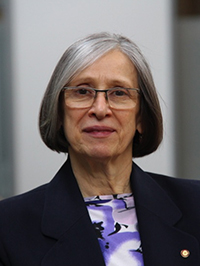
Prof. Ljiljana Trajkovic
|
Keynote Lecture: Data Mining and Machine Learning for Complex Networks Abstract: Collection and analysis of data from deployed networks is essential for understanding communication networks. Data mining and statistical analysis of network data have been employed to determine traffic loads, analyze patterns of users' behavior, predict future network traffic, and detect traffic anomalies. The Internet has historically been prone to failures and attacks that significantly degrade its performance, affect the Internet connectivity, and cause routing disconnections. Frequent cases of various cyber threats have been encountered over the years and, hence, detection of anomalous behavior is a topic of great interest in cybersecurity. In described case studies, traffic traces collected by various collection sites are used to classify network anomalies. Various anomaly and intrusion detection approaches based on machine learning have been employed to analyze collected data. Deep learning, broad learning, gradient boosted decision trees, and reservoir computing algorithms were used to develop models based on collected datasets that contain Internet worms, viruses, power outages, ransomware events, router misconfigurations, Internet Protocol hijacks, and infrastructure failures in times of conflict. The reported results indicate that while performance of machine learning models greatly depends on the used datasets, they are viable tools for detecting the Internet anomalies. Biography: Ljiljana Trajkovic received the Dipl. Ing. degree from University of Pristina, Yugoslavia, the M.Sc. degrees in electrical engineering and computer engineering from Syracuse University, Syracuse, NY, and the Ph.D. degree in electrical engineering from University of California at Los Angeles. She is currently a professor in the School of Engineering Science, Simon Fraser University, Burnaby, British Columbia, Canada. Her research interests include communication networks and dynamical systems. Dr. Trajkovic served as IEEE Division X Delegate/Director, President of the IEEE Systems, Man, and Cybernetics Society, and President of the IEEE Circuits and Systems Society. She serves as Editor-in-Chief of the IEEE Transactions on Human-Machine Systems. She is a Distinguished Lecturer of the IEEE Systems, Man, and Cybernetics Society and was a Distinguished Lecturer of the IEEE Circuits and System Society. She is a Fellow of the IEEE.
|

Prof. Hatice Gunes |
Keynote Lecture: Beyond Autonomy: Building Socially Intelligent Robots that Understand, Learn, and Adapt to People Abstract: As robots become increasingly integrated into hospitals, schools, workplaces, homes, and public spaces, autonomy alone is no longer sufficient. Future systems must interpret social and emotional contexts, continuously learn from human interactions, personalize their behaviour over time, and align with human values and expectations. This keynote will present advances in Affective AI and Social Robotics that enable robots to interpret multimodal human behaviour, including facial expressions, speech, and interaction patterns. It will demonstrate how socially aware perception enables adaptive decision-making, and personalized human–robot interaction. The talk will argue that socially intelligent robots require more than data-driven learning. Through iterative design and human-in-the-loop approaches involving practitioners, clinicians, coaches, and end users, robots can acquire socially appropriate behaviours while identifying risks early in development. Drawing on research in social robotics for home and hospitality environments, and mental wellbeing support, the keynote will discuss how autonomous systems can integrate perception, reasoning, and action with learning from human expertise and adaptation to individual needs. It will conclude with lessons from deploying socially assistive robots beyond the laboratory and the challenges of building trustworthy systems for real-world environments. Biography: Prof. Gunes is an internationally recognized scholar in affective computing and robotics. She is a former President of the Association for the Advancement of Affective Computing (AAAC) and was a Faculty Fellow (2019-2021) of the Alan Turing Institute – UK’s national centre for data science and artificial intelligence. She was an Honoree for the Sony Women in Technology Award with Nature 2025 which celebrates inspirational women in technology who are poised to redefine the future of their fields.
Hatice Gunes obtained her PhD in computer science from the University of Technology Sydney (UTS) in Australia as an awardee of the Australian Government International Postgraduate Research Scholarship (IPRS) - a prestigious scholarship awarded on the basis of academic merit and research capacity. As a postdoctoral researcher at Imperial College London, she played a crucial role in the EU SEMAINE project, that created the world's first publicly available multimodal, fully autonomous, and real-time human-agent interaction system ( the SAL system). Attentive to user affect and nonverbal expressions, the project developed novel nonverbal audiovisual human behaviour analysis and multimodal agent behaviour synthesis capabilities, and won the Best Demo Award at IEEE ACII’09 and the Best Paper Award at IEEE FG’11. |
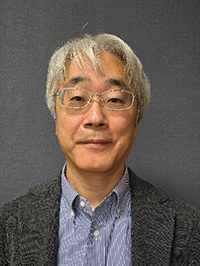
Prof. Takayuki Kanda
| Keynote Lecture: Social Robots in Public Spaces Abstract: Social robots are beginning to appear in public spaces such as shopping malls, yet deploying them in real environments remains challenging. In this talk, I present a series of field studies using our humanoid robot Robovie, focusing on how robots can interact effectively with people and acquire social acceptance. While robotic technologies continue to advance, our work highlights the importance of human-robot interaction, namely how to design robot behavior in synergy with technological progress. For instance, although modeling human interaction has enabled robots to provide services such as guidance and information, real-world deployments have revealed critical issues, including interaction failure, congestion, and robot abuse. These challenges have led us to a new research direction, "moral interaction," in which robots are designed as social peers that elicit respectful and prosocial behavior. I will introduce our recent studies on understanding and mitigating robot abuse, as well as on leveraging robots to create positive social influence through timely and context-aware interactions. Biography: Takayuki Kanda is a professor in Informatics at Kyoto University, Japan. He is also a Visiting Group Leader at ATR Intelligent Robotics and Communication Laboratories, Kyoto, Japan. He received his B. Eng, M. Eng, and Ph. D. degrees in computer science from Kyoto University, Kyoto, Japan, in 1998, 2000, and 2003, respectively. He is one of the starting members of Communication Robots project at ATR. He has developed a communication robot, Robovie, and applied it in daily situations, such as peer-tutor at elementary school and a museum exhibit guide. His research interests include human-robot interaction, interactive humanoid robots, and field trials.
|
|
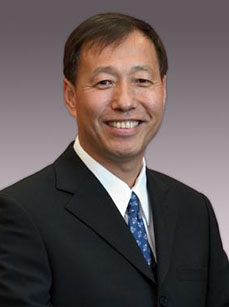
Prof. Ruxu Du |
Keynote Lecture: AI in the world of manufacturing overcapacity Abstract: One of the fundamental problems in the world today is the manufacturing overcapacity. Can AI help? This talk first gives a quick review on AI. Then, it provides a road map on the use of AI for solving the manufacturing overcapacity problem. Some key issues are discussed including (a) probing the consumer needs, (b) designing for user experience, (c) manufacturing materials selection, and (d) production and service integration. Biography: Prof. Ruxu Du was born in China in 1955. He received his Master’s degree from the South China University of Technology in 1983 and his Ph.D. degree from the University of Michigan in 1989. He has taught in the University of Windsor, in Windsor, Ontario, Canada (1991⎯1999), the University of Miami, in Coral Gables, Florida. USA (1999⎯2001), the Chinese University of Hong Kong in Hong Kong SAR (2001⎯2018), and the South China University of Technology (2018⎯2021). Prof. Du is the founding director of the Guangzhou Chinese Academy of Sciences Institute of Advanced Technology (2011⎯2016), the founding dean of S. M. Wu School of Intelligent Engineering, South China University of Technology, as well as the founding director of the Institute of Precision Engineering in the Chinese University of Hong Kong. Prof. Du’s areas of research include AI applications in medicine, precision engineering, design and manufacturing (metal forming, machining, plastic injection molding and etc.), as well as robotics and automation. He has published over 500 papers in various academic journals and international conferences. He is the associate editor / the members of editorial board of six international journals.
|
|
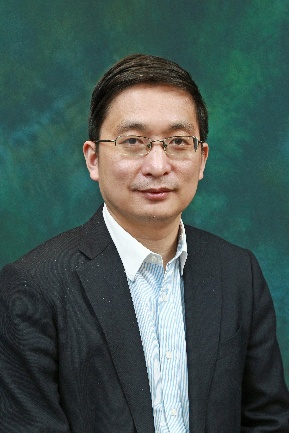
Prof. Yang Chai |
Keynote Lecture: Bioinspired in-sensor Computing for Artificial Vision Abstract: The demand for accurate perception of the physical world leads to a dramatic increase in sensory nodes. However, the transmission of massive and unstructured sensory data from sensors to computing units poses great challenges in terms of power‐efficiency, transmission bandwidth, data storage, time latency, and security. To efficiently process massive sensory data, it is crucial to achieve data compression and structuring at the sensory terminals. In‐sensor computing integrates perception, memory, and processing functions within sensors, enabling sensory terminals to perform data compression and data structuring. In this talk, I will describe our team’s efforts towards bioinspired in-sensor computing for artificial vision. I will talk about the framework of the in-sensor computing and demonstrate a few vision sensors for different scenarios, including visual adaptation, motion perception, as well as event-driven vision sensors for spiking neural network. Biography: Prof. Yang Chai is the Chair Professor of Semiconductor Physics of the Hong Kong Polytechnic University. He is an IEEE Distinguished Lecturer, an IEEE Fellow, an Optica Fellow, IOP Fellow, and AAIA Fellow. He is the Director of Research Institute for Artificial Intelligence of Things, the Director of Joint Research Center of Microelectronics, and the Associate Dean of Faculty of Science (Research) at the Hong Kong Polytechnic University. He is also the Chair of Semiconductor Nanotechnology Alliance, the Vice President of the Physical Society of Hong Kong, and an Associate Editor of ACS Nano. His current research interest mainly focuses on emerging electronic devices. He is also a receipt of the Falling Walls Science Breakthroughs in Engineering and Technology for his work on “Breaking the Wall of Efficient Sensory AI Systems”, the BOCHK Science and Technology Innovation Prize, The Croucher Senior Fellowship, The Ho Leung Ho Lee (HLHL) Foundation Science and Technology Innovation Award, and NSFC Distinguished Scholar. |
|
Assoc. Prof. Anara Sandygulova |
Keynote Lecture: AI-Powered Social Robots for Personalized Autism Intervention: From Research to Real-World Impact Abstract: Autism intervention is most effective when it is personalized, engaging, and supported by objective data. Recent advances in artificial intelligence and social robotics are creating new opportunities to enhance therapy while reducing the workload of specialists. This talk presents our research and practical experience in developing AI-powered robot-assisted intervention for autistic children. I will introduce the APRIL platform, an end-to-end ecosystem that combines social robots, AI-based behavioral analysis, personalized therapy planning, and data-driven progress monitoring. The presentation will discuss how computer vision and machine learning are used to recognize children's engagement and adapt robot behavior in real time. I will also share the challenges of deploying these technologies in clinical and educational settings, lessons learned from working with therapists and families, and the future of AI-driven personalized intervention. The talk demonstrates how interdisciplinary collaboration between robotics, artificial intelligence, psychology, and special education can translate research into scalable solutions with measurable societal impact. Biography: Dr. Anara Sandygulova is an Associate Professor in the Department of Robotics and Mechatronics at Nazarbayev University, Kazakhstan, where she directs the Human-Robot Interaction (HRI) Laboratory. She received her Ph.D. in Computer Science from University College Dublin, Ireland. Her research focuses on human-robot interaction, artificial intelligence, robot-assisted intervention for autistic children, socially assistive robotics, and sign language technologies. She leads several research projects on AI-powered social robots and AI-driven solutions for sign languages and has authored numerous publications in leading international conferences and journals. Her work has received international recognition, including the Best Paper Award at the ACM/IEEE International Conference on Human-Robot Interaction. Dr. Sandygulova is also the founder of APRIL, a university spin-off that develops AI-enabled robotic solutions for autism intervention. The platform has been deployed in multiple intervention centers across Kazakhstan, supporting hundreds of children through personalized, data-driven therapy. Her mission is to bridge cutting-edge AI research with practical healthcare and educational applications that improve the quality of life for children with developmental differences and their families. |

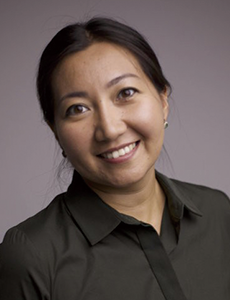
CACRE Past Speakers

Prof. Peter Corke
The Queensland University of Technology, Australia

Prof. Seth Hutchinson
Georgia Institute of Technology, USA
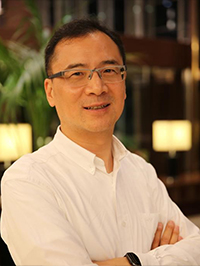
Prof. Dan Zhang
Hong Kong Polytechnic University, HKSAR, China
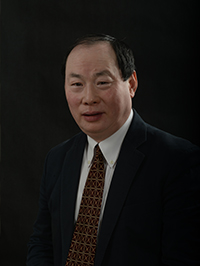
Prof. Feng Gao
Shanghai Jiaotong University, China
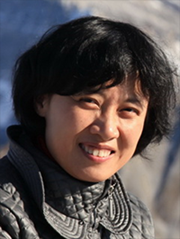
Prof. Rong Xiong
Zhejiang University, China

Prof. Elizabeth Croft
University of Victoria, Canada

Prof. Silvia Ferrari
Cornell University, USA
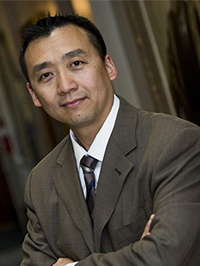
Prof. Hugh H.T. Liu
University of Toronto, Canada
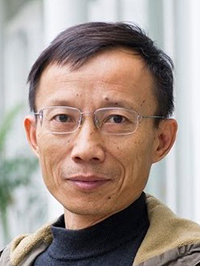
Prof. Jie Chen
The City University of Hong Kong, China
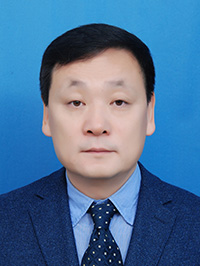
Prof. Bin Zi
Hefei University of Technology, China
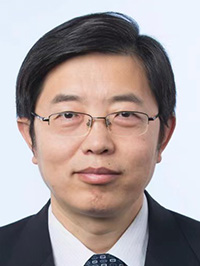
Prof. Dongbin Zhao
Chinese Academy of Sciences, China

Prof. Iain D. Couzin
University of Konstanz, Germany
-
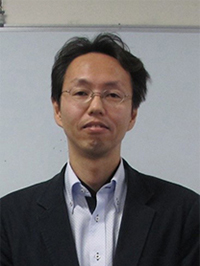
Prof. Kenji Fujimoto
Kyoto University, Japan
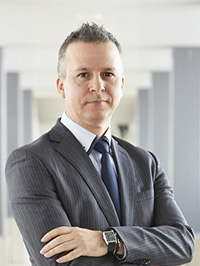
Prof. Genci Capi
Hosei University, Japan
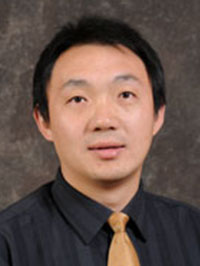
Prof. Yang Shi
University of Victoria, Canada
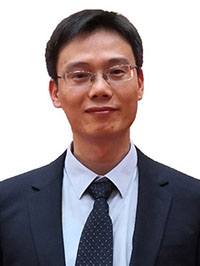
Prof. Jiancheng Yu
Shenyang Institute of Automation, Chinese Academy of Sciences, China
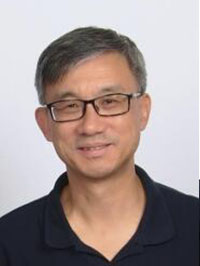
Prof. Michael Y. Wang
Hong Kong University of Science and Technology, HKSAR, China
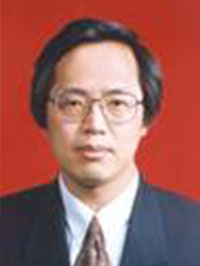
Prof. Guangren Duan
Harbin Institute of Technology, China
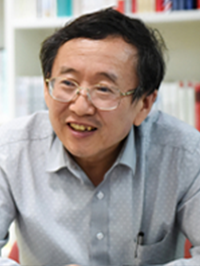
Prof. Yiming Rong
Southern University of Science and Technology of China, China

Prof. Du Ruxu
South China University of Technology, China
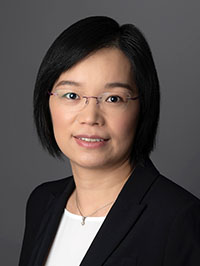
Prof. Ya-Jun Pan
Dalhousie University, Canada
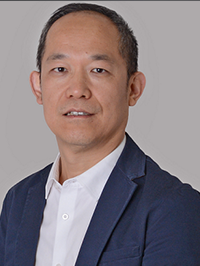
Prof. Wenqiang Zhang
Fudan University, China
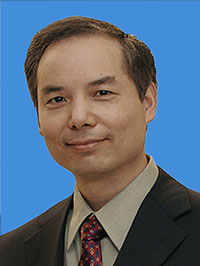
Prof. Jonathan Wu
University of Windsor, Canada
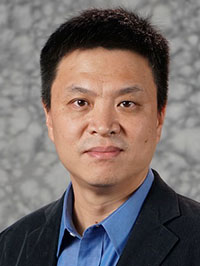
Prof. Fumin Zhang
Georgia Institute of Technology, USA
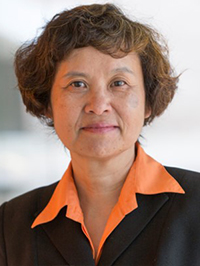
Prof. Jing Sun
University of Michigan, USA
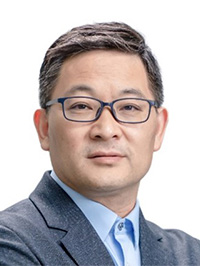
Prof. Xinjun Liu
Tsinghua University, China
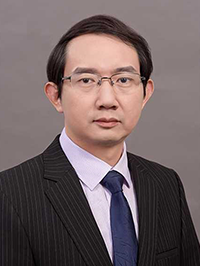
Prof. Xianbo Xiang
Huazhong University of Science and Technology, China

Prof. Sebastian Scherer
Carnegie Mellon
University, USA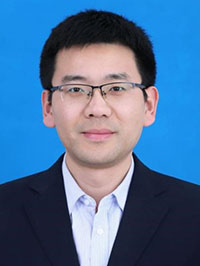
Prof. Xuechao Duan
Xidian University, China
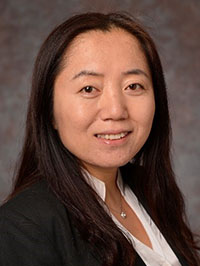
Prof. Xiaoli Bai
Rutgers,The State University of New Jersey, USA
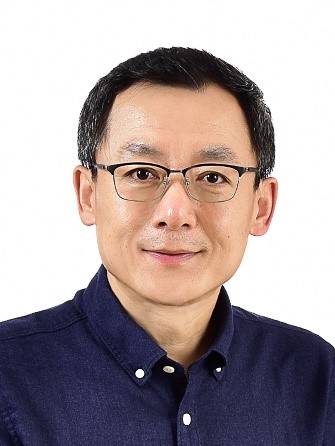
Prof. Ji-Hong Li
Korea Institute of Robotics and Technology Convergence, South Korea
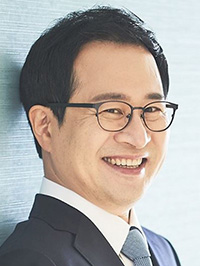
Prof. Dong Eui Chang
Korea Advanced Institute of Science & Technology, South Korea
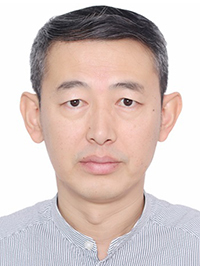
Prof. Xianping Fu
Dalian Maritime University, China
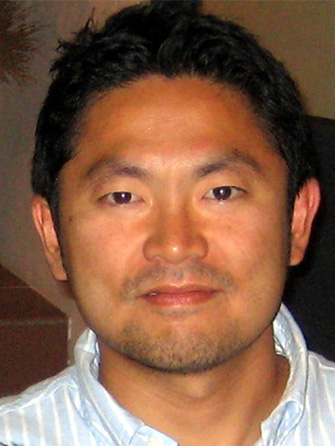
Prof. Mitsuhiro Hayashibe
Tohoku University, Japan
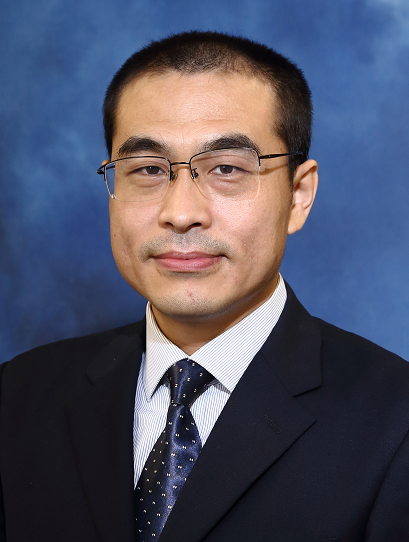
Prof. Hongliang REN
The Chinese University of Hong Kong (CUHK), Hong Kong, China
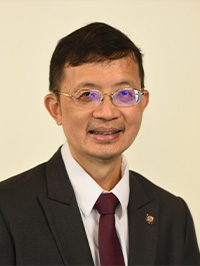
Prof. David Banjerdpongchai
Chulalongkorn University, Thailand
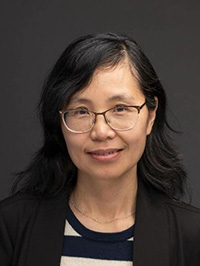
Prof. Lixuan Lu
Ontario Tech University, Canada

Prof. Siti Anom Ahmad
Universiti Putra Malaysia, Malaysia
-

Prof. Giuseppe Carbone
University of Calabria, Italy
-
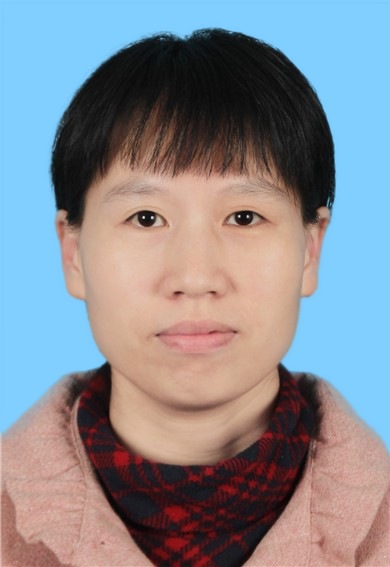
Prof. Jiaxiang Luo
South China University of Technology, China
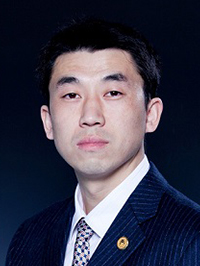
Prof. Zhufeng Shao
Tsinghua University, China
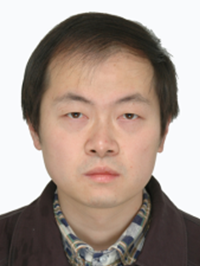
Prof. Yifei Pu
Sichuan University, China
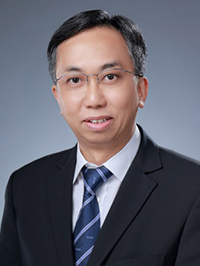
Dr. Simon K.S. Cheung
Open University of Hong Kong, HKSAR, China
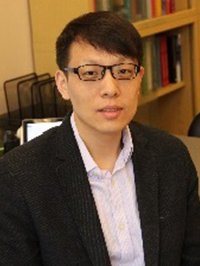
Prof. Wei Zhang
Southern University of Science and Technology, China
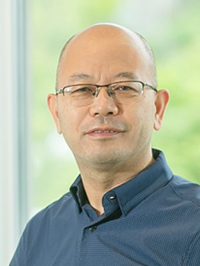
Prof. Hongyu Yu
The Hong Kong University of Science and Technology, Hong Kong, China
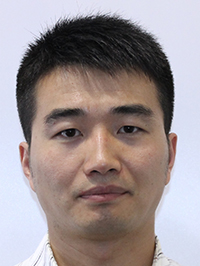
Prof. Bin Li
Sichuan University, China

Dr.Jan Faigl
Czech Technical University in Prague, Czech Republic
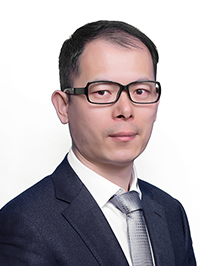
Prof. Hongde Qin
Harbin Engineering University, China
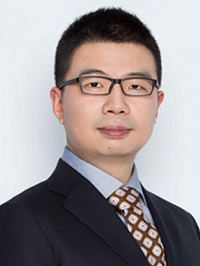
Prof. Ye Yuan
Huazhong University of Science and Technology, China
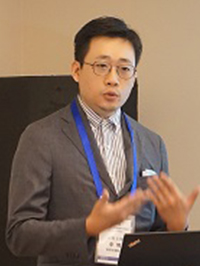
Prof. Bo Li
Xi'an Jiaotong University, China
-
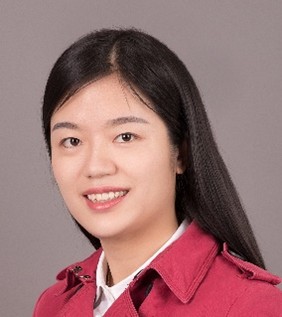
Prof. Jingjing Ji
Huazhong University of Science and Technology, China
-
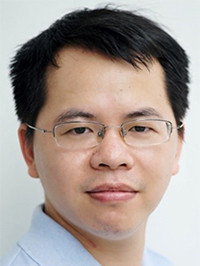
Prof. Zhengkun Yi
Shenzhen Institute of Advanced Technology, Chinese Academy of Sciences, China
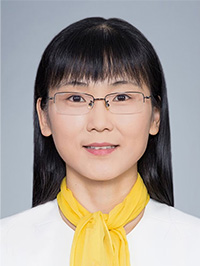
Prof. Chunhui Zhao
Zhejiang University, China

Prof. Wencen Wu
San Jose State University, USA

Prof. Fei Miao
University of Connecticut, USA
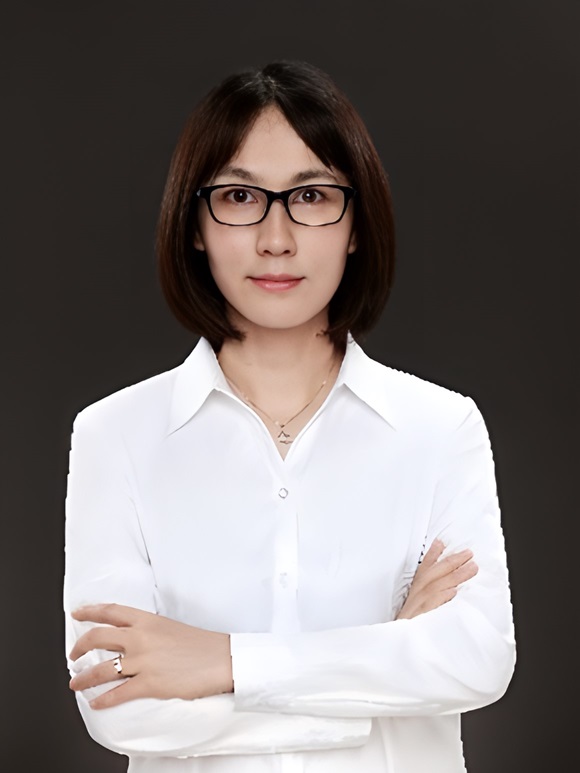
Assoc. Prof. Yue Gao
Shanghai Jiaotong University, China

Dr. Yuyang Zhou
Edinburgh Napier University, UK